Cooling Tower Fill Replacement: What We Learn from Real Cooling Tower Maintenance Projects
Cooling Tower Fill Replacement: What We Learn from Real Cooling Tower Maintenance Projects
The Hidden Part That Determines Cooling Tower Performance
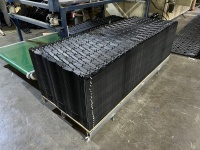
When a cooling tower starts losing efficiency, many people first check the fan, motor, or water pump. However, after many maintenance and replacement projects, we have found that the real problem is often inside the tower — the Cooling Tower Fill.
The fill is one of the most important components in a cooling tower. It increases the contact area between water and air, helping the system remove heat more effectively.
Even if the fan and pump are running normally, damaged or aging cooling tower fill can reduce overall cooling performance and increase operating costs.
Signs That Your Cooling Tower Fill May Need Replacement
Cooling tower fill works continuously under water flow, airflow, and temperature changes. Over time, several problems may appear:
- Scale buildup on fill surfaces
- Blocked air passages
- Cracked or deformed PVC sheets
- Uneven water distribution
- Reduced cooling capacity
A common situation is that customers notice higher outlet water temperatures or increased energy costs before realizing that the cooling tower fill has already lost performance.
Choosing the Right Cooling Tower Fill Matters
Replacing cooling tower fill is not just about buying a similar product. The correct solution depends on the cooling tower design and operating conditions.
Before replacement, it is important to check:
- Cooling tower type
- Counter flow or cross flow structure
- Fill size and thickness
- Water quality
- Operating temperature
Different Cooling Tower Fill Designs for Different Applications
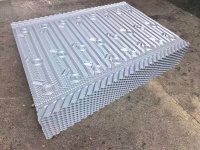
For applications requiring higher heat transfer efficiency, Film Fill is widely used because it provides a large surface area for water and air contact.
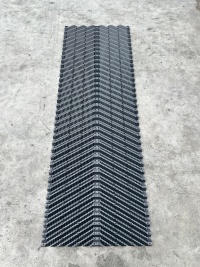
For industrial applications where stable airflow and good water distribution are important, Corrugated Fill is often a reliable choice.
For higher temperature applications or demanding industrial environments, PP Film Fill is often selected because of its better durability and chemical resistance.
Material Selection: PVC or PP?
Different cooling tower operating conditions require different materials.
PVC Cooling Tower Fill is commonly used in HVAC and standard industrial cooling systems because it provides good performance and cost efficiency.
For higher temperature environments or more aggressive water conditions, PP Film Fill can provide better durability and longer service life.
Selecting the correct material can help reduce maintenance frequency and improve cooling tower reliability.
Small Details Can Make a Big Difference
In many cooling tower refurbishment projects, small details affect the final performance:
- Correct fill dimensions
- Proper installation method
- Suitable material selection
- Matching the original cooling tower design
A high-quality Cooling Tower Fill solution can only achieve the best performance when it is correctly selected and installed.
Regular Inspection Helps Avoid Unexpected Downtime
Cooling towers operate continuously, so regular inspection is important.
Checking important components such as:
- Cooling Tower Fill
- Drift Eliminator
- Water Distribution System
can help identify problems early, reduce unexpected downtime, and lower long-term maintenance costs.
Final Thoughts
Cooling Tower Fill may not be the most visible part of a cooling tower, but it has a direct impact on cooling efficiency, energy consumption, and operating costs.
Whether it is a cooling tower replacement project, retrofit, or routine maintenance, choosing the right fill based on actual operating conditions is the key to achieving stable and efficient performance.
A good cooling tower fill solution is not only about replacing old materials — it is about helping the entire cooling system work better for years.